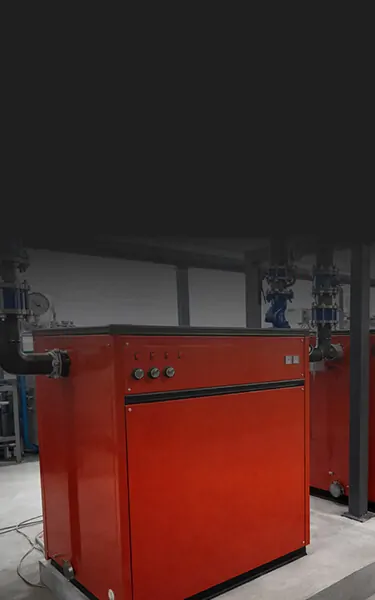
Industrial modular electric boiler plants provide space heating, domestic hot water, and heat for specific production processes at manufacturing, residential, commercial, agricultural, and municipal facilities.
They can operate as the primary, backup, or peak-load heat source without producing combustion products or local emissions at the site. However, the feasibility of this solution depends on the electricity tariff, available electrical capacity, and consumption profile. Teploformat Engineering provides a complete project cycle—from site assessment and design to installation and commissioning.
When Is an Electric Boiler Plant a Suitable Choice?
An electric boiler plant is suitable for an enterprise where sufficient electrical capacity is available and the equipment can be connected safely. It can be considered where gas is unavailable, fuel storage cannot be arranged, or precise heat output control is required.
Industrial electric boiler plants are used for system modernisation, backup capacity, or short-term peak-load coverage. The decision should be based on a comparison of capital and operating costs, electricity tariffs, the facility’s operating schedule, and heat losses.
The hourly load profile and electricity tariff are particularly important for industrial electric heating because they determine operating expenses.
An electric boiler converts electricity into heat at an approximate ratio of 1:1. Unlike an electric boiler, a heat pump transfers heat from the surrounding environment.
Primary, Backup, or Peak-Load Electric Boiler Plant
A primary industrial electric boiler plant covers the facility’s entire heat demand. A backup electric boiler plant starts when the main heat source is unavailable, while a peak-load boiler operates only during periods of maximum demand.
Electrical equipment can operate together with gas-fired boiler plants, solid-fuel boiler plants, a heat pump, or a cogeneration unit. The automation system prioritises the available heat sources according to a predefined operating algorithm.
What Should Be Checked Before Selecting an Electric Boiler Plant?
Electric boiler plant design begins with an assessment of the electrical infrastructure rather than the selection of a boiler model. The following parameters must be checked:
- allocated and actually available electrical capacity;
- network voltage, number of phases, and the facility’s maximum electrical load;
- transformer substation capacity and the condition and cross-section of cable lines;
- power supply reliability category and the need for a backup electrical input;
- whether the boiler plant can operate simultaneously with other high-power equipment;
- switching, electrical protection, energy metering, and load-management requirements.
The thermal output of an electric boiler plant approximately corresponds to its electrical input. A 500 kW boiler plant therefore requires an electrical input, substation, cables, and protection systems of an appropriate scale. If sufficient capacity is unavailable, the infrastructure must be upgraded.
Heating-Element, Electrode, or Induction Boilers
Heating-element boilers have a straightforward design, are available in a wide range of capacities, and are relatively easy to service. In a cascade arrangement, heating stages are activated according to current demand.
Electrode boilers are compact and respond quickly to automation commands, but they require careful control of the heat-transfer fluid’s composition and electrical conductivity. Induction boilers are used in specialised applications following technical and economic assessment.
No single type is universally superior. The practical differences relate to design, control methods, heat-transfer fluid requirements, and maintenance.
How to Optimise Electricity Consumption
Boiler plant automation and load management help align system operation with actual heat demand. Available control methods include cascade operation, staged output control, weather-compensated control, operating schedules, and priority shutdown of unnecessary heating stages.
A thermal storage tank or buffer tank stores heat during scheduled operating periods. Zonal control, automated metering, remote monitoring, and BMS integration help track and manage consumption. The actual result depends on the electricity tariff, operating schedule, and the facility’s heat losses.
Can Solar Power or On-Site Generation Be Used?
An electric boiler plant can be integrated with a solar power system, cogeneration unit, generator, battery energy storage system, and automated load-distribution controls. The automation system can direct surplus electricity to heat production or thermal storage.
A solar installation or battery system cannot always supply a high-capacity industrial boiler plant in full. For the assessment, the hourly generation and consumption profiles, available power, and energy-storage capacity are compared.
What Is Included in a Turnkey Electric Boiler Plant?
The equipment configuration depends on the required output, application, operating mode, and electrical network parameters. A turnkey electric boiler plant may include:
- electric boilers, electrical switchboard equipment, and control systems;
- pump groups, heat exchangers, buffer tanks, and expansion tanks;
- water treatment equipment, valves, and instrumentation;
- metering units, safety systems, and remote monitoring.
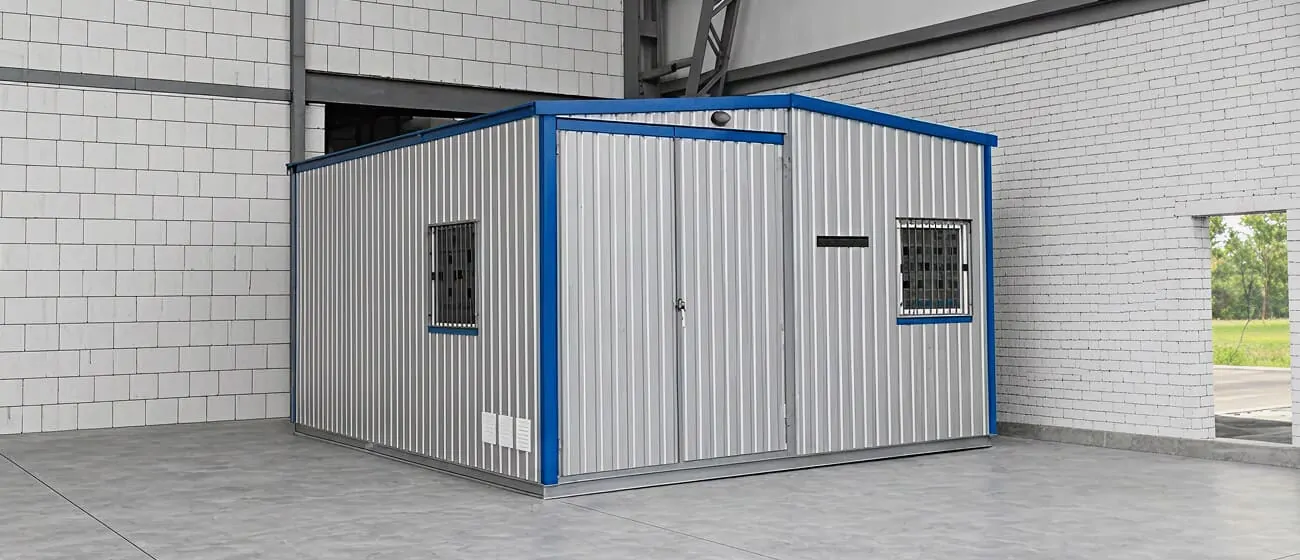
A block-modular electric boiler plant is assembled as a complete engineering system. However, its connection still requires a suitably prepared electrical input and a coordinated heat supply arrangement.
What Determines the Cost of an Electric Boiler Plant?
The project budget depends on the required thermal output, the number and type of boilers, primary, backup, or peak-load operating mode, installation format, and level of automation. Other factors include the electrical input parameters, the need to upgrade the substation or cable lines, buffer tanks, water treatment, remote monitoring, and the scope of design and installation work.
Electric boiler plants in Ukraine with the same rated output may differ in cost due to the condition of the electrical network and equipment configuration. A universal price per kilowatt without a technical specification would therefore be inaccurate.
Electric Boiler Plants by Teploformat Engineering
Teploformat Engineering assesses the facility, calculates the thermal load, analyses the electrical infrastructure, and selects the equipment. The next stages include design, manufacturing and integration, delivery, electric boiler plant installation, commissioning, and automation setup.
The company has been operating since 2013 and has completed more than 60 projects. Examples are available in the Portfolio section.
After commissioning, the customer receives the required documentation, personnel training, and technical support. The warranty period ranges from 12 to 24 months, depending on the equipment, configuration, and contract terms. Warranty and after-sales service are also available.
To receive a preliminary cost estimate, provide information about the facility’s purpose, required thermal output, available electrical capacity, network voltage, operating mode, and desired level of automation. Teploformat Engineering specialists will select the equipment configuration and assess the electrical infrastructure requirements.




 Thermal capacity
  Application
  Configuration
  Automation and control
  Operating modes
  Turnkey supply
  Power supply
  Flue gas extraction
  Supervisory control system
  Energy source
  Type of electric boilers


