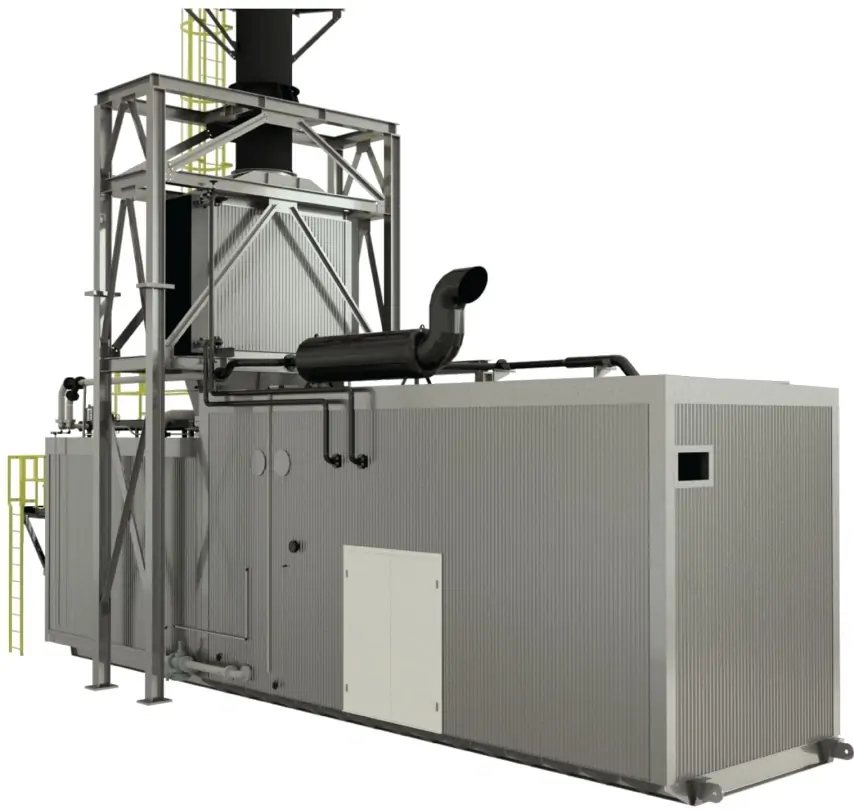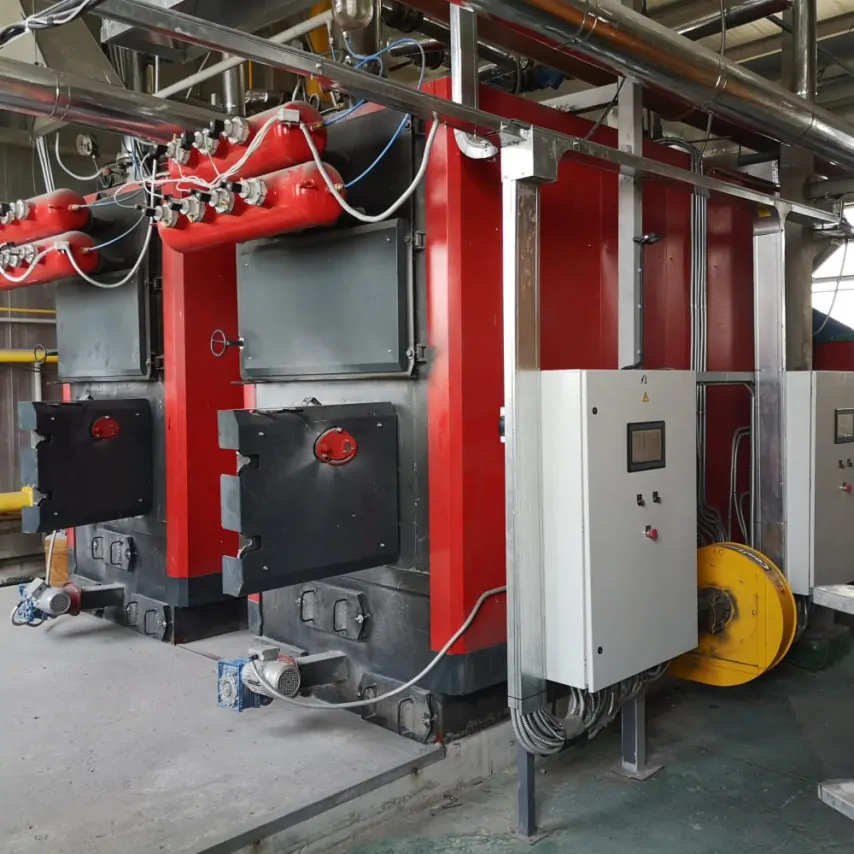
Block-Modular Gas Boiler Plant: Requirements for the Gas System, Ventilation and Safety Automation
A block-modular gas boiler plant combines heating and gas equipment, ventilation, electrical systems and automation. Its safety depends on the coordinated operation of the gas system, burners, combustion-air supply, flue-gas discharge and protective interlocks.
The equipment configuration and numerical parameters are determined from the initial data, calculations and site-specific requirements. This article explains the design logic but is not an installation or adjustment manual for gas equipment.
Initial Data for a Block-Modular Gas Boiler Plant
Design begins with the heat loads and demand profiles for space heating, domestic hot water, ventilation or industrial processes. The assessment covers peak demand, minimum summer operation, daily variations, redundancy and possible capacity expansion.
The gas-system data include the technical conditions, fuel type, pressure at the connection point and available flow rate. The different properties of natural gas and liquefied petroleum gas (LPG) affect the equipment, ventilation, gas detection and protection. The design defines the boundary between the external network and the boiler plant.
The design team also specifies the heat-transfer medium, temperature schedule, location, climate, electrical supply, supervisory control and staffing arrangements. These data allow the correct gas-fired boiler plant configuration to be selected for the facility.
Gas System: From the Inlet to the Burner
The gas system supplies and distributes fuel and provides safe isolation. It may include isolation valves, filtration, pressure regulation and monitoring, gas metering, safety devices, gas trains and burner valves.
Components are selected for the pressure, flow rate, gas properties and burner manufacturer’s requirements. The design also defines responsibility boundaries, maintenance access, monitoring points and emergency fuel isolation.
No universal arrangement can be transferred to every modular gas boiler plant without calculation. An inlet-side error can affect flame stability, modulation, emissions and protective functions. The gas system must be coordinated with the boilers, burners and facility operating modes.
Heating System and Boiler Selection
The number of boilers is determined by the operating modes, redundancy and control range. The cascade should meet the load without unnecessary cycling, while the hydraulic arrangement maintains the required boiler flow and stable consumer circuits.
The designer assesses hydraulic separation, a buffer vessel, pump groups and weather-compensated control. The suitability of a multi-fuel boiler plant with primary and backup sources is evaluated against the facility’s operating profile, not equipment availability alone.
Condensing boilers require an appropriate temperature regime and a designed condensate-disposal system. Conventional boilers must be protected against undesirable low-temperature corrosion. The heating system also covers water treatment, expansion compensation, safety valves, make-up water and heat-energy metering.
Gas Boiler Plant Ventilation and Combustion Air
Gas boiler plant ventilation performs several separate functions. General ventilation maintains acceptable indoor conditions, the combustion-air supply supports burner operation, and emergency operating modes must be coordinated with the gas-detection system and fuel isolation.
The air balance is calculated for the burner type, air intake, heat gains, duct resistance and boiler operation. Excessive negative pressure can disrupt combustion or flue-gas discharge. Mechanical ventilation is monitored and linked to the automation logic.
A fixed air-change rate or a standard opening area should not be presented as a universal solution. The calculation depends on the module layout, capacity, equipment, fuel and the applicable provisions of DBN V.2.5-77:2014 Boiler Plants, DBN V.2.5-20:2018 Gas Supply and the relevant ventilation regulations.
Flue-Gas Discharge as Part of an Integrated System
Flues and chimneys are selected for the flue-gas temperature, permissible resistance, required draught and boiler modes. The calculation considers simultaneous operation, chimney location, pressure losses, wind effects and combustion-product dispersion.
For low-temperature operation, the design assesses condensate formation, material resistance and liquid drainage. Access points are provided for inspection, cleaning and measurements. The flue-gas system is coordinated with the burners and ventilation because changes in resistance or air balance can affect combustion.
Boiler Plant Safety Automation and Gas Detection
Local safety automation monitors the flame, gas pressure, combustion air, draught and heat-transfer medium parameters. The gas-detection system monitors the designated areas but does not replace flame supervision, burner valves or other independent protective functions.
Protective functions follow a fail-safe principle: a fault or an unacceptable parameter places the system in a safe state. This may involve fuel isolation, equipment shutdown, first-out fault recording and an alarm. The precise sequence is defined by the approved design and the manufacturers’ documentation.
The plant may return to operation only after the specified conditions have been satisfied. Not every trip may be reset remotely, and an automatic restart after a safety shutdown requires specific justification. Sensor thresholds and interlock logic are set for the selected equipment and verified during commissioning.
Electrical Systems, Fire Protection and Supervisory Control
The electrical design establishes the required supply reliability, backup power, earthing and surge protection. Equipment is selected for the classified areas, while fire detection and alarm systems reflect the facility’s characteristics and applicable requirements.
A building management system (BMS) or supervisory control and data acquisition system (SCADA) may collect data, maintain an event log and issue notifications. This level must not replace local safety controllers or hardwired interlocks. Access is separated by role, and records must identify the root cause of a shutdown.
Integrated turnkey modular boiler plants require these systems to be coordinated during design. Otherwise, components that operate correctly in isolation may conflict during an emergency scenario.
Commissioning and Subsequent Operation
Before gas is introduced, equipment readiness, leak-tightness and installation are verified. Purging, filling and other gas-pipework operations are performed by authorised specialists in accordance with the design and the Safety Rules for Gas-Supply Systems.
During commissioning, the burners are adjusted, combustion is analysed, and the interaction between the boilers, pumps, ventilation and flue-gas system is verified. Gas detection, emergency isolation and all safety interlocks are tested separately under an approved test programme.
The client receives the design, as-built and operating documentation, while personnel are trained and the maintenance schedule is established. Subsequent warranty and service work is carried out in accordance with the contract, manufacturers’ instructions and actual operating conditions.
Therefore, a block-modular gas boiler plant must be designed as an integrated system in which the gas supply, ventilation, flue-gas discharge and automation are verified for normal and emergency operation. Reliable initial data, coordinated protective functions and comprehensive commissioning are essential.
Provide the gas-supply technical conditions, heat loads and facility information to the engineers at TeploFormat Engineering to request calculations and the development of a safe concept. The numerical parameters and final equipment configuration will be determined in the project for the specific operating conditions.