
Modular Boiler Plants: Pricing, System Configuration and How to Compare Proposals
The price of a modular boiler plant depends on more than its thermal capacity. Similar headline prices may cover different boilers, scopes of supply, levels of automation and volumes of site work.
The final cost can be established only after the initial data have been collected, the required calculations completed, the equipment selected and the project-specific requirements reviewed. A sound comparison must therefore consider not only the quoted total but also the complete solution and its whole-life costs.
Why the Same Capacity Does Not Mean the Same Price
Nominal thermal capacity is only one parameter. The technical solution is also shaped by the fuel type, heat-transfer-medium parameters, number and type of boilers, redundancy requirements, climatic design conditions, available utilities and the facility’s operating profile.
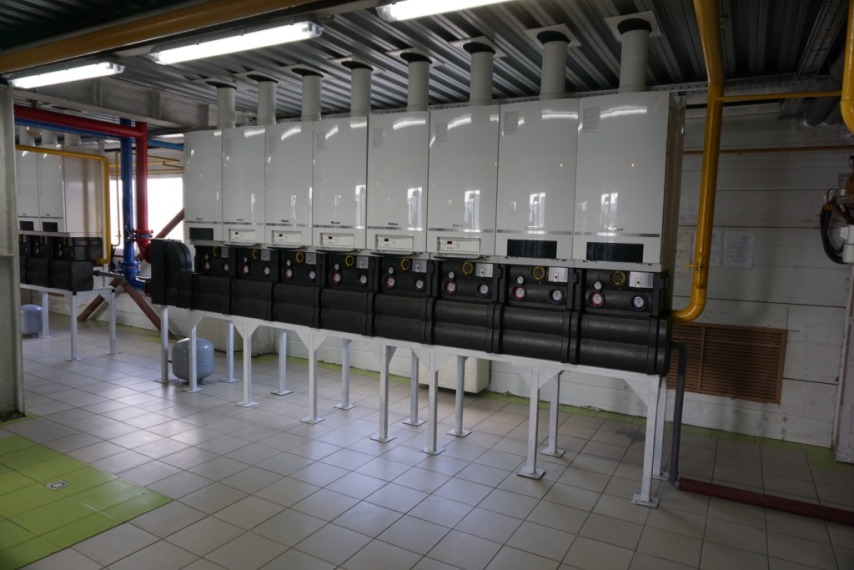
Two boiler plants with the same nominal capacity may perform differently at part load. The modulation range, minimum permissible load, load sharing between boilers, cascade-control strategy and efficiency under seasonal operating conditions are all important—not only performance at the nominal duty point.
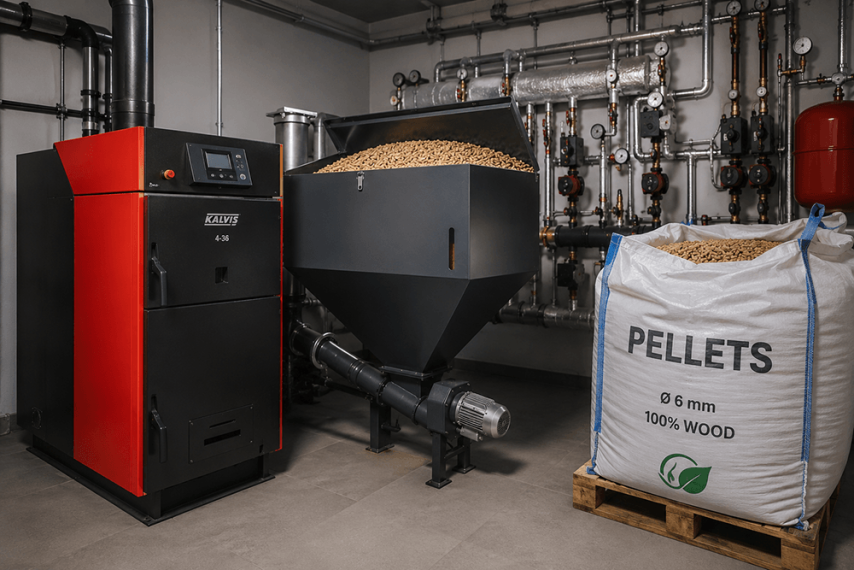
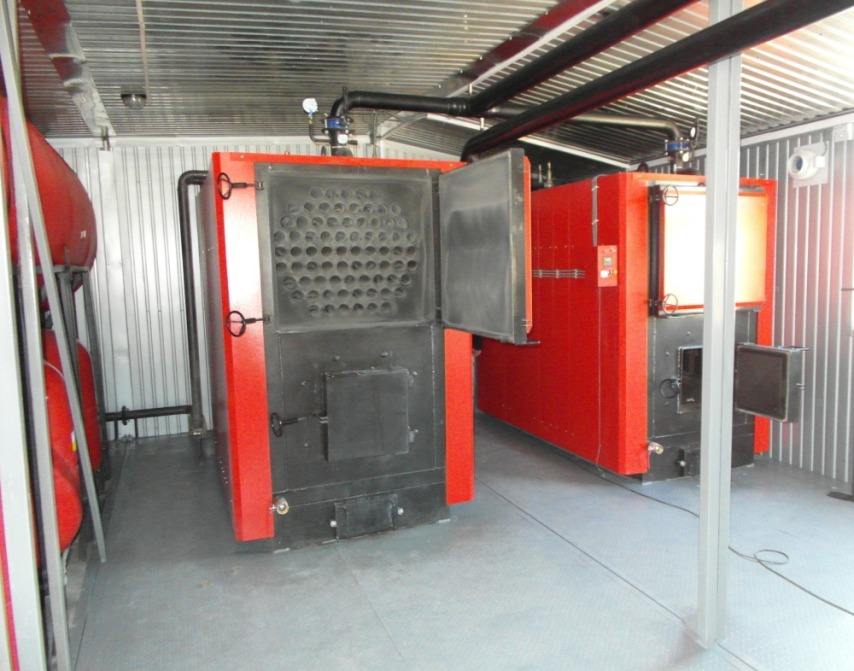
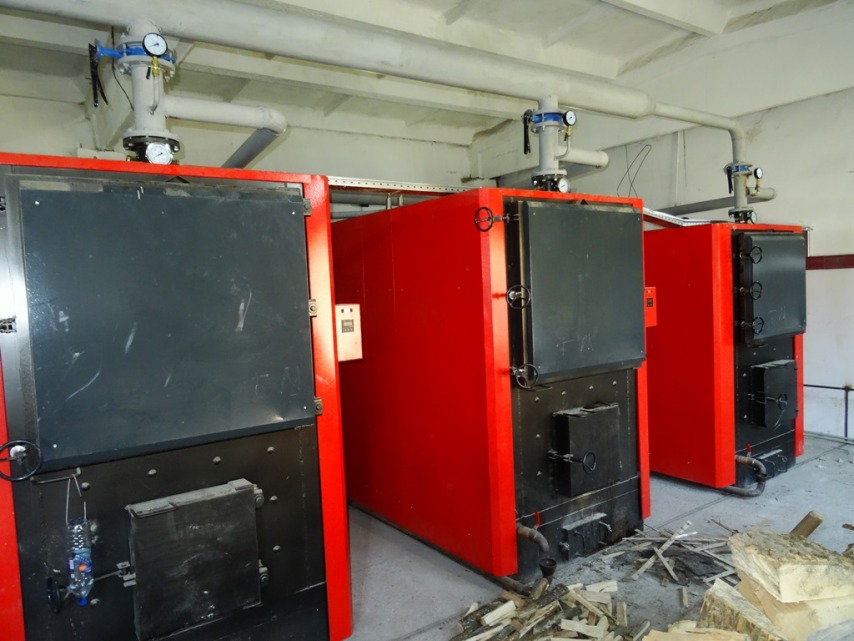
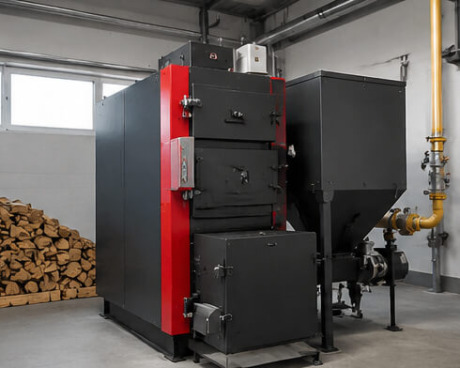
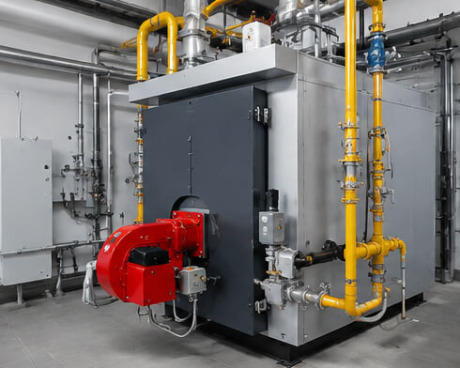
The auxiliary systems also differ. A gas-fired boiler plant requires appropriate gas-supply and safety-automation solutions, while a solid-fuel boiler plant requires fuel storage, fuel-feeding equipment and ash removal. The electrical system, water treatment, ventilation and flue-gas extraction also depend on the selected technology. This is why a universal price per kW does not represent the true project cost.
What Determines the Cost of a Modular Boiler Plant?
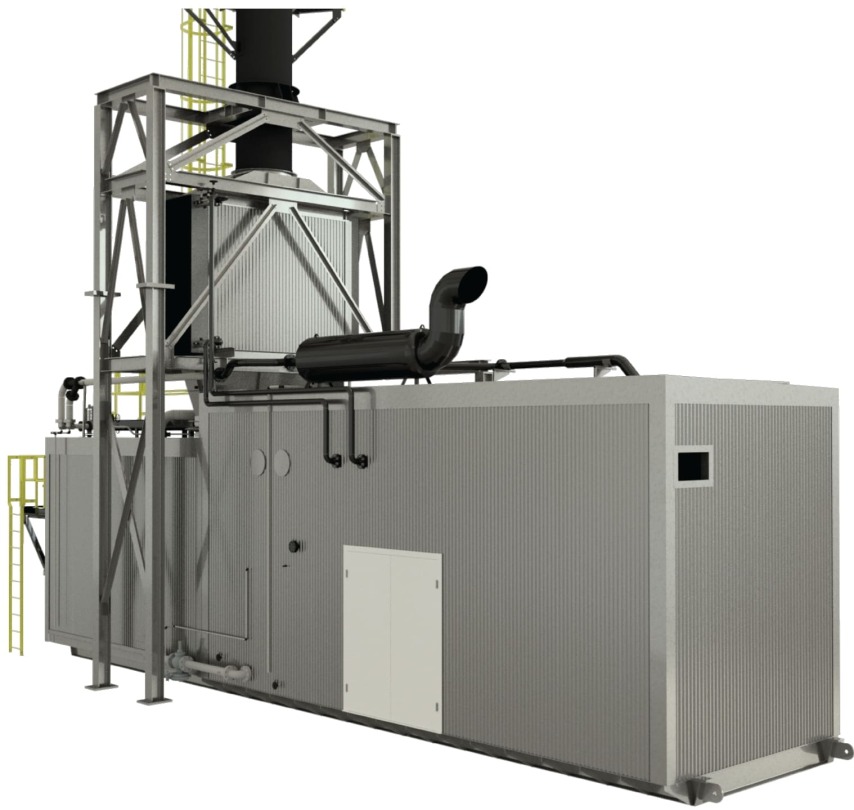
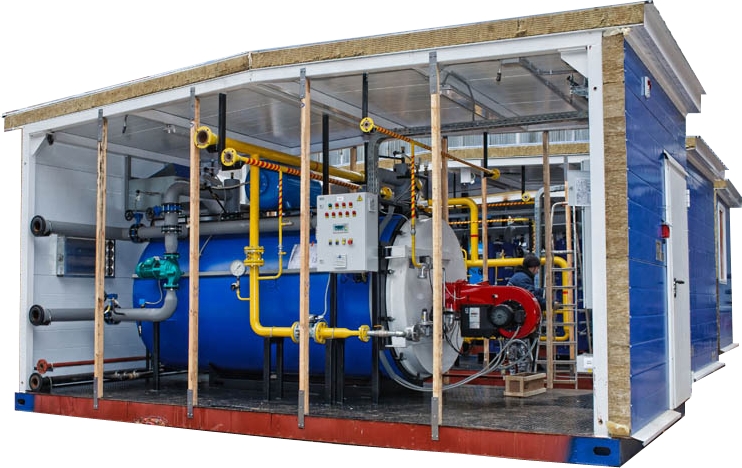
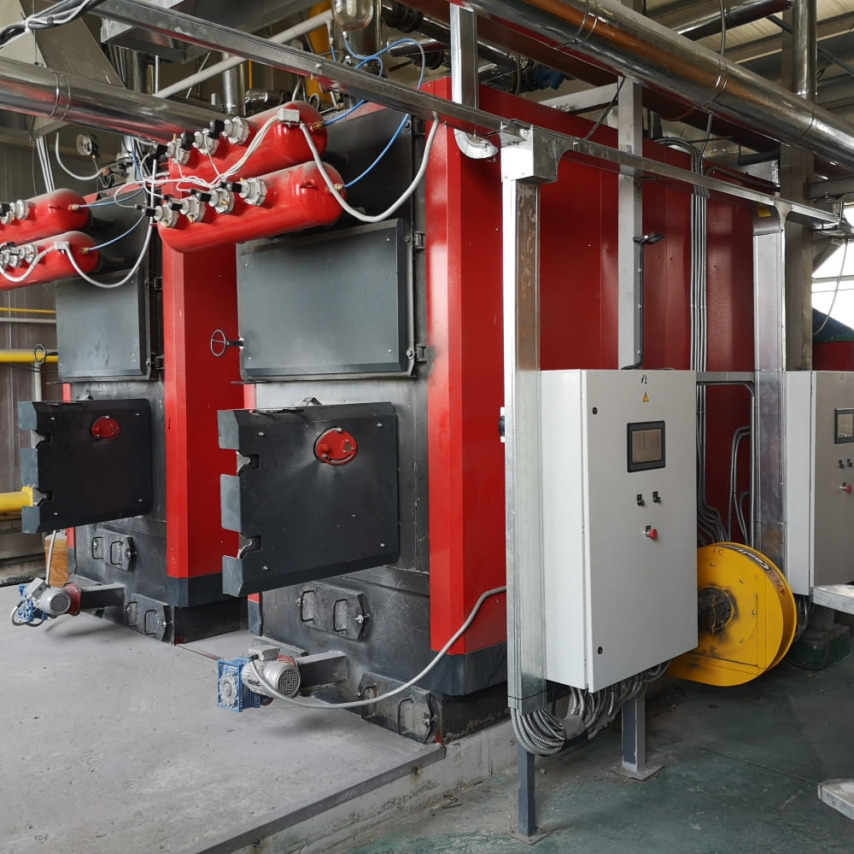
The main equipment budget includes the module itself, boilers, burners or other heat sources, pumps, heat exchangers, pipework, valves, instruments and the control system. Additional systems may include fuel handling, water treatment, chimneys and flues, ventilation, electrical supply, commercial or process metering, remote monitoring and supervisory control.
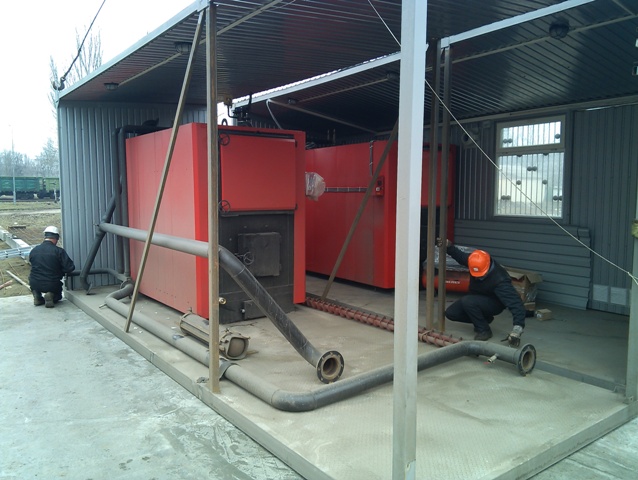
Check separately whether the proposal includes design, factory testing, delivery, crane unloading, foundations, external utility networks, installation, commissioning, personnel training and a full set of documentation. The word “turnkey” is not a substitute for an itemised scope of work and clearly defined connection points.
Site conditions also affect the price: distance to utility networks, access for delivery vehicles, crane access, foundation bearing capacity and siting restrictions. These costs may be excluded from the factory-built module price but remain part of the overall project budget.
Standard Configuration and Optional Equipment
There is no universal definition of a boiler plant’s “standard configuration”. One proposal may include water treatment, metering and a chimney, while another may list the same items as options or works to be completed by the client.
Typical options include a standby boiler or backup fuel, weather-compensated control, remote monitoring and supervisory control, backup power, additional metering and enhanced water treatment. For an electric boiler plant, the available electrical capacity and power-supply scope are critical. For a liquid-fuel boiler plant, the fuel-supply and storage system must be reviewed.
Request an itemised equipment schedule listing the manufacturers and models of the principal equipment. Where alternatives are permitted, the proposal should define the technical characteristics that an equivalent product must meet so that compliance with the design can be verified.
How to Put Proposals on a Common Comparison Basis
First compare the calculated capacity at the required operating conditions, fuel type, temperature profile, boiler type and quantity, redundancy and control strategy. Then compare the scope of supply, connection points, documentation, installation, testing, commissioning and warranty terms.
Use the same status categories for every line item:
| Status | Meaning |
|---|---|
| Included | Included in the quoted price and within the supplier’s scope of responsibility |
| Optional | Can be added at extra cost after the required parameters have been confirmed |
| By the client | Required for commissioning but procured or completed separately by the client |
| Not included | Absent from the proposed solution; its necessity for the project must be checked |
This approach reveals when a lower total results from a reduced scope rather than a more efficient solution. A valid comparison of modular boiler plants is possible only when all bidders receive the same initial data and apply the same scope boundaries.
Total Cost of Ownership, Not Just Purchase Price
The turnkey boiler plant price is only the initial part of the expenditure. During operation, seasonal efficiency, minimum-load performance, the auxiliary electrical consumption of pumps and fans, fuel quality and treated-water quality all become important.
A total-cost-of-ownership assessment includes staffing, scheduled maintenance, treatment chemicals, consumables, spare parts and potential downtime. For solid fuels, it must also cover fuel receipt and storage, fuel-feeding equipment, ash removal and residue disposal. Other technologies have different operating-cost structures.
A payback period cannot be stated without a defined baseline case. The calculation requires verified energy prices, the load profile, expected operating modes, service costs and a clearly identified alternative against which the new solution is assessed.
Costs That May Be Excluded from the Equipment Price
Costs outside the module price may include utility connection requirements, new or upgraded utility networks, foundations and site preparation, civil works, design documentation, an independent review where required, permit procedures and emissions-related measures. Their applicability and scope depend on the type of construction, site, fuel, heat-transfer-medium parameters, consequence class and equipment characteristics.
Commercial terms should state whether VAT, packaging, insurance, storage and delivery are included. For imported equipment, check the pricing currency, exchange rate or adjustment mechanism, quotation validity and price-revision terms.
The lowest initial proposal may become more expensive once omitted utility networks, automation, installation and documentation are added. The price difference should therefore be broken down into specific items rather than attributed solely to the supplier’s market position.
Checklist for Requesting a Quotation
To obtain comparable proposals, provide every bidder with the same package of initial data:
- calculated heat loads and their seasonal or daily profile;
- heat-supply duties, heat-transfer-medium parameters and temperature profiles;
- primary and backup fuels, their characteristics and availability;
- installation location, climatic conditions, and site and logistics constraints;
- existing connection points and available utility capacities;
- requirements for redundancy, automation, supervisory control and metering;
- target dates for manufacture, delivery, installation and commissioning.
The supplier’s response should state the quotation validity, payment schedule, manufacturing lead time, warranty terms, exclusions from the scope of supply and acceptance criteria. If new requirements arise during clarification, issue them to all bidders at the same time and update the comparison only after revised proposals have been received.
To assess the cost of a modular boiler plant correctly, compare technical performance at the design operating conditions, equivalent scopes of supply and work, and future operating expenditure. Numerical parameters, system configuration and applicable procedures must be determined from the initial data and the project-specific design.
Submit the same set of initial data to TeploFormat Engineering through the contact page to request a quotation. This allows an itemised proposal to be prepared with a defined system configuration, connection points, limits of responsibility and a separate list of options.
A PHP Error was encountered
Severity: Warning
Message: Array to string conversion
Filename: views/details_tpl.php
Line Number: 114
Backtrace:
File: /home/lg353578/tfe.com.ua/www/inner/application/modules/news/views/details_tpl.php
Line: 114
Function: _exception_handler
File: /home/lg353578/tfe.com.ua/www/inner/application/third_party/MX/Loader.php
Line: 322
Function: include
File: /home/lg353578/tfe.com.ua/www/inner/application/third_party/MX/Loader.php
Line: 270
Function: _ci_load
File: /home/lg353578/tfe.com.ua/www/inner/application/modules/news/controllers/news.php
Line: 349
Function: view
File: /home/lg353578/tfe.com.ua/www/inner/application/third_party/MX/Modules.php
Line: 71
Function: details
File: /home/lg353578/tfe.com.ua/www/inner/application/controllers/init.php
Line: 144
Function: run
File: /home/lg353578/tfe.com.ua/www/index.php
Line: 339
Function: require_once