
DBN Requirements for Boiler Plants in 2026: Building a Regulatory Framework for a Block-Modular Boiler Plant
Information current as of the publication date: 13 August 2026. The status and current version of every regulatory document must be checked again before design work begins.
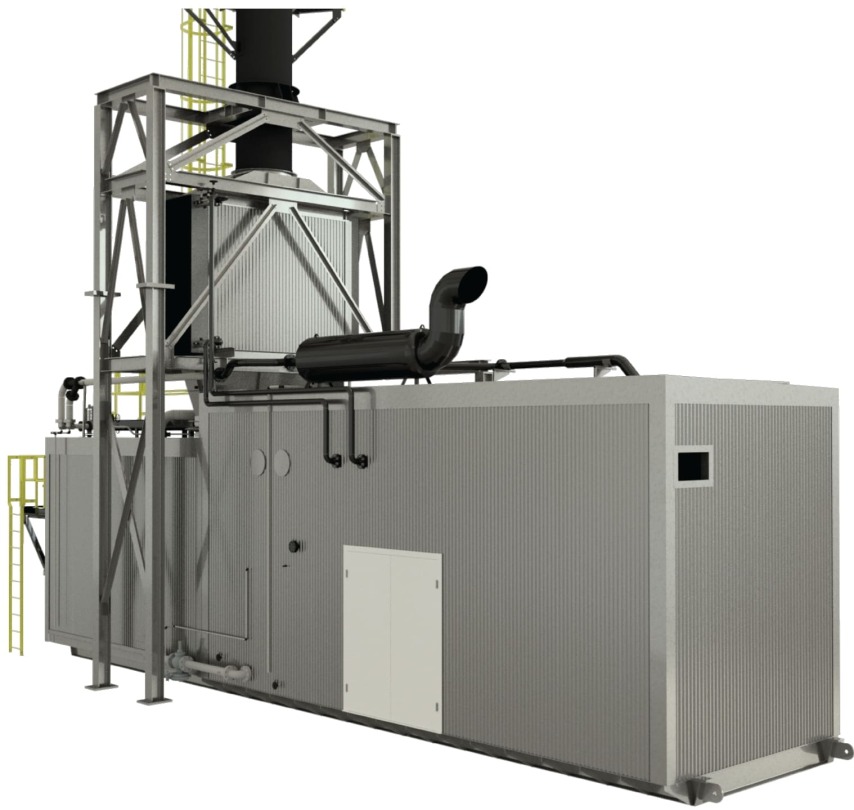
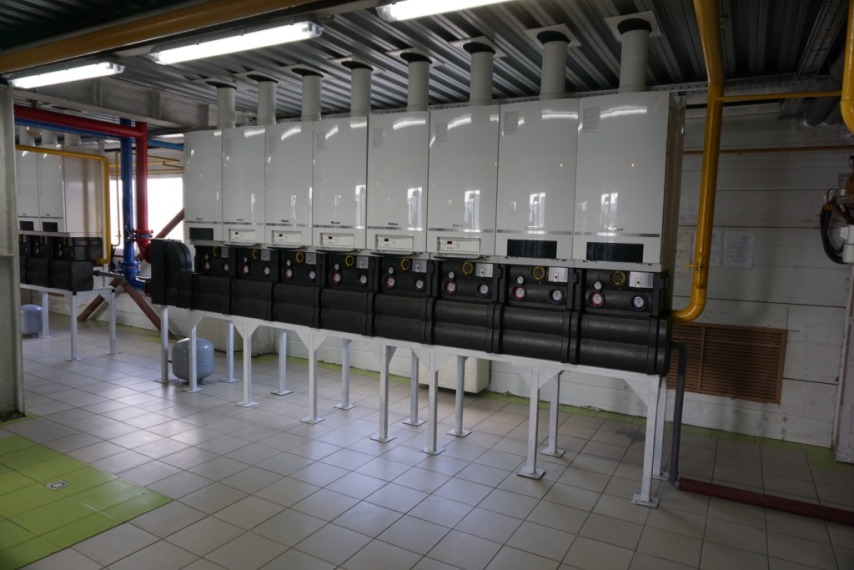
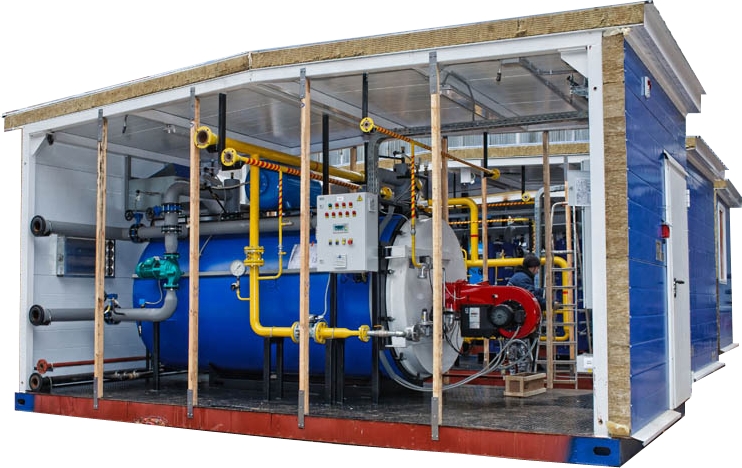
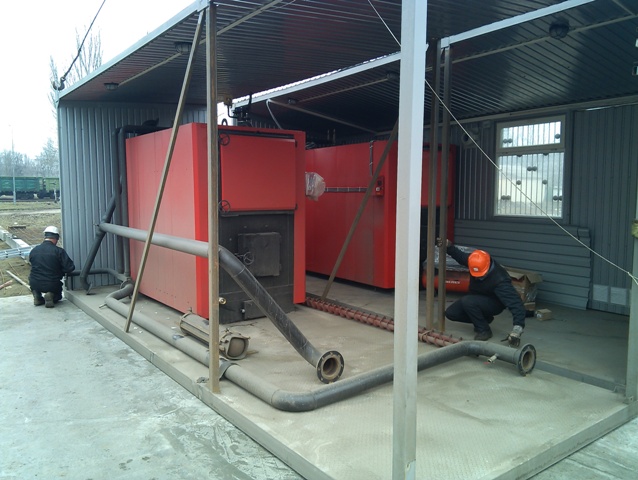
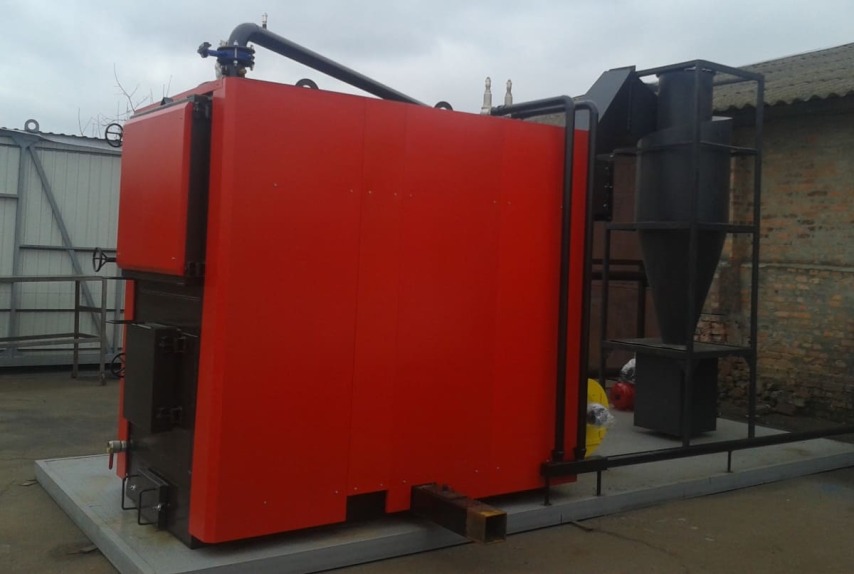
The DBN requirements for boiler plants in 2026 are sometimes treated as if they were contained in a single document providing ready-made engineering solutions. In practice, a block-modular boiler plant requires a regulatory matrix: a coordinated set of requirements selected for the specific facility, fuel, thermal capacity, heat-transfer medium and system configuration.
Final engineering decisions can only be made after the initial data have been collected and the required calculations completed. This information determines which regulations apply to the modular boiler plant, which design sections are required and which administrative procedures must be considered.
Why There Is No Single DBN for a Modular Boiler Plant
A modular configuration describes how the equipment is arranged and delivered, but it does not exempt the facility from construction requirements. The applicable documents depend on the type of construction and on whether the boiler plant is standalone, attached, built-in or rooftop.
The assessment must also consider the fuel, boiler type, heat-transfer medium parameters, installed thermal capacity, consumer categories, pressure equipment, emission sources and site conditions. As a result, identical factory-assembled modules may require different engineering solutions at different sites.
The regulatory framework for a block-modular boiler plant combines Ukrainian State Building Regulations, occupational and fire-safety rules, technical regulations, standards and manufacturers’ documentation. The process described below is a working framework rather than an exhaustive list for every possible facility.
Core Document: DBN V.2.5-77:2014 Boiler Plants
As of 13 August 2026, DBN V.2.5-77:2014 Boiler Plants is listed as effective in Ukraine’s Unified State Electronic System in the Construction Sector. It governs the design of boiler plants for new construction, reconstruction, major repairs and technical refurbishment within the following parameters: steam pressure up to 3.9 MPa and water temperature up to 200 °C.
The document covers boiler-plant layout, principal and auxiliary equipment, fuel systems, flue-gas discharge, pipework, water treatment, electrical systems, automation, ventilation, water supply, environmental requirements and fire safety. It cannot, however, be applied automatically to every heat-generating installation.
Its scope contains exclusions for thermal power-station boiler plants, mobile and electric boiler plants, installations with waste-heat boilers, systems using high-temperature organic heat-transfer fluids and certain low-capacity heat generators. Rooftop boiler plants are also subject to specific limitations. The scope of the regulation must therefore be checked before any design requirements are selected.
Step 1. Define the Facility and Its Regulatory Scenario
The regulatory matrix begins with a structured initial-data schedule. It should identify the facility’s purpose, the type of construction, the boiler-plant location, the available site, utility connection points and constraints created by existing networks and buildings.
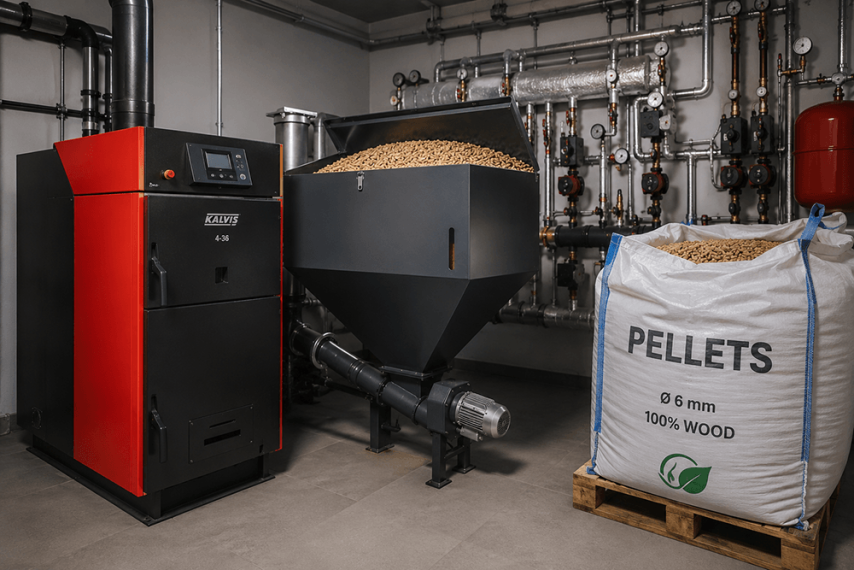
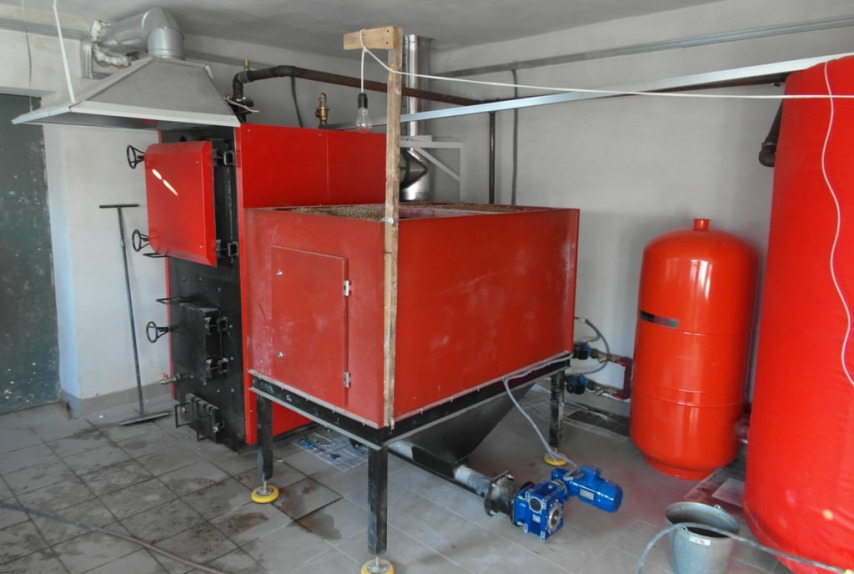
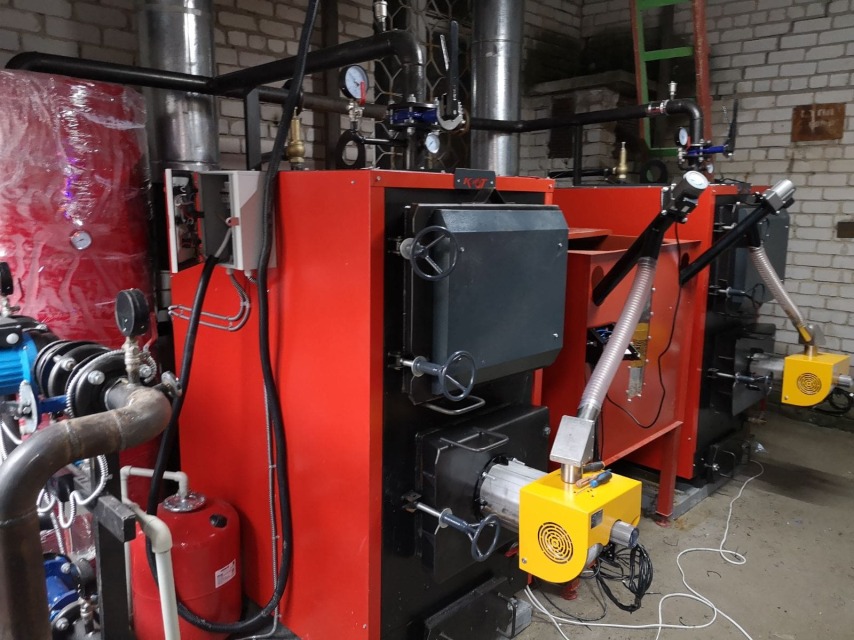
The technical section should record the heat loads, fuel, heat-transfer medium parameters, redundancy requirements, boilers, burners, pumps, water-treatment equipment, chimneys and automation systems. At the concept stage, it may be useful to compare gas-fired boiler plants, solid-fuel boiler plants, electric boiler plants and liquid-fuel boiler plants. Nevertheless, the applicability of each regulation is determined by the actual system configuration.
The design team must also determine the consequence class, heat-supply and electrical-supply reliability categories, planning and land-use conditions, the required design documentation and whether an expert review is mandatory. General guidance cannot replace a facility-specific assessment.
Step 2. Add the Requirements for Each Engineering System
For a gas-fired system, the regulatory framework should include DBN V.2.5-20:2018 Gas Supply, including Amendment No. 1, and the Safety Rules for Gas-Supply Systems. The design must be checked against their requirements for operating pressure, gas-pipe routing, pressure reduction, gas metering, ventilation, safety automation and gas equipment.
Heating, ventilation and air-conditioning requirements are addressed by DBN V.2.5-67:2013. The relevant provisions for district-heating networks, water supply and drainage are selected according to the actual project scope. The structure and content of the design documentation are checked against the current DBN A.2.2-3:2014, while changes to the heat source or utility connections must also be reflected in the related design sections.
The electrical design is developed according to the type of facility. DBN V.2.5-23:2025, which replaced the 2010 edition on 1 January 2026, applies to residential, public and administrative-service buildings. It does not cover industrial electrical installations or certain specialised systems. A different set of requirements must be selected for those facilities, including the Rules for Electrical Installations.
Step 3. Assess Fire, Technological and Occupational Risks
The design is checked against DBN V.1.1-7:2016 Fire Safety of Construction Facilities — General Requirements, DBN V.2.5-56:2014 Fire-Protection Systems and the Fire Safety Rules of Ukraine. Amendment No. 2 to DBN V.2.5-56:2014 took effect on 1 March 2026, while amendments to the Fire Safety Rules took effect on 27 February 2026.
The designer assesses the categories of rooms and outdoor installations, escape routes, fire-resistant barriers, gas and fire detection, fuel-isolation algorithms and interactions between automation systems. Solid-fuel systems require additional consideration of dust, fuel handling and storage. Liquid-fuel systems require measures addressing spills, storage tanks and the physical and chemical properties of the fuel.
For pressure equipment, the project must account for installation, operation, inspection and personnel requirements established by the Occupational Safety Rules for the Operation of Pressure Equipment. The Technical Regulation for Pressure Equipment addresses product design and manufacture, conformity assessment and placing equipment on the market, but it does not replace the construction design for the boiler plant.
Step 4. Determine the Environmental and Permitting Requirements
A boiler plant must be assessed as a combination of stationary emission sources and industrial processes. The design should address combustion emissions, noise, vibration, wastewater, blowdown, water-treatment waste, ash, slag, fuel residues and the arrangements for handling these materials.
The Law of Ukraine on Atmospheric Air Protection and the current procedure for issuing permits for emissions from stationary sources provide the general legal framework. The procedure applicable to a particular facility depends on the emission sources, fuel, pollutant composition and current legislation. It would therefore be incorrect to state in advance that every boiler plant requires an emissions permit or that none does.
The environmental assessment included in the design documentation must also be distinguished from separate administrative procedures. Each result should be recorded in the regulatory matrix together with the issue to be verified, the responsible specialist, the required initial data and the document supporting the final decision.
How to Verify DBN Requirements for Boiler Plants in 2026
Ukraine’s Unified State Electronic System in the Construction Sector is the primary source for State Building Regulations. The document record should be checked for its code and title, effective status, current version, consolidated text, separate amendments and corrections, and the dates on which they entered into force. An archived record carrying the same document code must not be mistaken for the current version.
Laws, resolutions and ministerial orders should be checked in the official Legislation of Ukraine database, including their status, current text, grounds for amendment and scheduled future changes. Standards should be verified against the current catalogue. The documentation for the selected boiler, burner, chimney, pipework, electrical panel and automation system must include the relevant technical data sheets, declarations, certificates and manufacturers’ instructions.
The working matrix should record the verification date, an active source link and a copy of the controlled document version. The list should be reviewed again before expert review, equipment procurement and final handover because regulatory requirements may change between concept development and project delivery.
Example Structure of a Regulatory Matrix
An effective regulatory matrix should do more than list existing documents. It should identify the engineering decision governed by each requirement. Each entry should record the requirement group, document and edition, scope, relevant design section, engineering decision, supporting record, responsible specialist, verification status and date.
The matrix may include the following groups: general construction requirements; boiler-plant process systems; fuel and fuel handling; ventilation and flue-gas discharge; district-heating networks; water supply and drainage; electrical supply and automation; fire safety; occupational safety; environmental requirements; installation, testing, commissioning and final handover. Standards and manufacturers’ instructions should be managed as a separate group because they depend on the selected equipment configuration.
At the start of modular boiler-plant design, TeploFormat Engineering can work with the client to structure the initial data and technical concept and then link them to the required design sections. This approach helps identify gaps between the factory-assembled modules, the site utility networks and the procedures applicable to the facility.
Therefore, the DBN requirements for boiler plants in 2026 should not be treated as a universal checklist. They form a structured route from the facility’s characteristics to substantiated engineering decisions. Define the fuel, heat loads, heat-transfer medium, location and equipment configuration, prepare the regulatory matrix with the design team and contact the engineers at TeploFormat Engineering to determine the next stage of the project.
A PHP Error was encountered
Severity: Warning
Message: Array to string conversion
Filename: views/details_tpl.php
Line Number: 114
Backtrace:
File: /home/lg353578/tfe.com.ua/www/inner/application/modules/news/views/details_tpl.php
Line: 114
Function: _exception_handler
File: /home/lg353578/tfe.com.ua/www/inner/application/third_party/MX/Loader.php
Line: 322
Function: include
File: /home/lg353578/tfe.com.ua/www/inner/application/third_party/MX/Loader.php
Line: 270
Function: _ci_load
File: /home/lg353578/tfe.com.ua/www/inner/application/modules/news/controllers/news.php
Line: 349
Function: view
File: /home/lg353578/tfe.com.ua/www/inner/application/third_party/MX/Modules.php
Line: 71
Function: details
File: /home/lg353578/tfe.com.ua/www/inner/application/controllers/init.php
Line: 144
Function: run
File: /home/lg353578/tfe.com.ua/www/index.php
Line: 339
Function: require_once