
Turnkey Block-Modular Boiler Plant: From Technical Specification to Commissioning
A turnkey block-modular boiler plant is not a standard package that can simply be delivered to the site. It is an engineering project with clearly defined boundaries, covering everything from initial data collection and design to installation, commissioning and final handover.
The final configuration depends on the calculated heat loads, fuel type, operating profile, utility-network characteristics and site-specific conditions. Solutions for industrial modular boiler plants are therefore developed using engineering calculations, the requirements of the selected equipment and applicable regulations—not a generic arrangement without reference to the actual site.
What a “Turnkey Block-Modular Boiler Plant” Includes
“Turnkey” means the scope of responsibility agreed in the contract. It should be defined in the technical specification, equipment schedule, project programme, responsibility matrix and list of connection points. These documents establish who is responsible for design, supply, installation, testing and preparation of the handover documentation.
Supplying a factory-assembled module, delivering a defined package of works and managing the complete project cycle are different contractual models. Under the first model, the contractor may be responsible only for the manufactured module. The second may also include installation and commissioning, while the third covers the complete route to final handover expressly defined in the contract.
Technical connection conditions, external utility networks, design review, statutory approvals, site preparation and operator training are not automatically included in the supply. Their scope, boundaries and required initial data should be agreed before the price and programme are finalised.
Stage 1: Site Assessment and Technical Specification
The project begins with information about the heat consumers: calculated loads, consumption profiles, heat-transfer fluid parameters, operating schedules and redundancy requirements. The available fuel, condition of the heating, electrical and water networks, proposed boiler plant location and logistics constraints must also be assessed.
A site plan, technical connection conditions, information about connection points and actual consumer requirements are needed before the equipment configuration can be approved. Without these inputs, it is impossible to properly determine the required capacity, number of boilers, auxiliary equipment, fuel-handling arrangements and module dimensions.
The result of this stage is an agreed technical specification. It should define the supply boundaries, acceptance criteria, documentation requirements, allocation of responsibilities and assumptions to be verified during the design process.
Stage 2: Concept Development, Engineering Calculations and Design
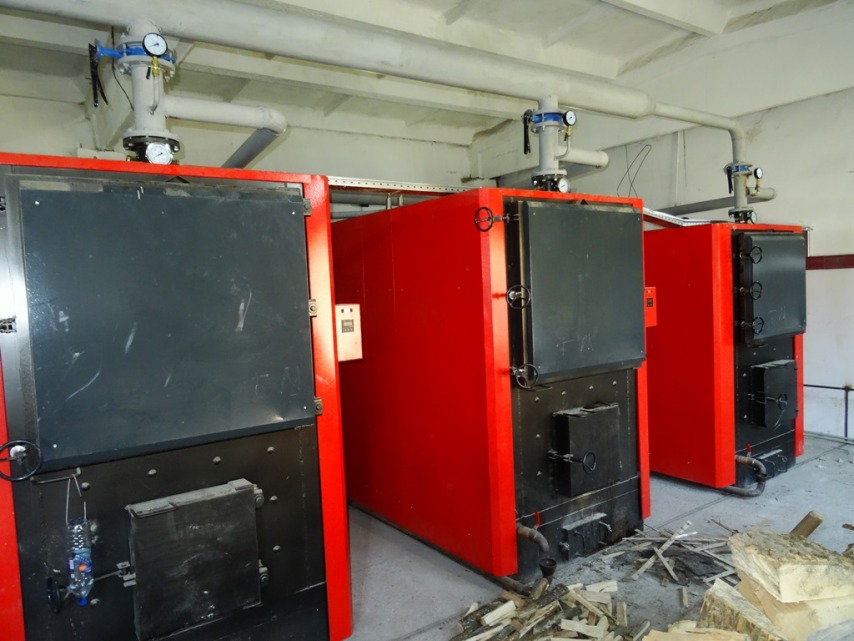
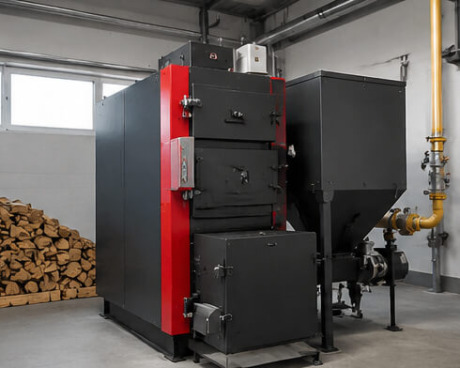
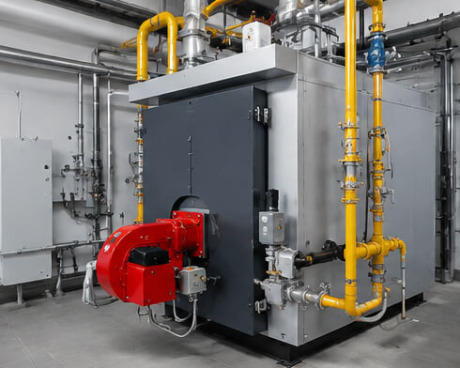
At the concept stage, the engineering team determines the required capacity, number of boilers, temperature profile, fuel type or combination of fuels, redundancy strategy and principal thermal arrangement. Facilities with an available gas supply may consider gas-fired boiler plants, while sites with a suitable fuel base and logistics may use solid-fuel boiler plants. The choice should be based on the actual operating conditions rather than the name of a particular technology.
The boiler plant design involves thermal, hydraulic, aerodynamic, electrical, structural and, where required, environmental calculations. These determine the pipe sizes, pumps, ventilation, flue-gas system, power supply, controls and structural elements.
The scope and stages of the design documentation depend on the type of construction and the characteristics of the facility. A general description of the technology does not replace a project-specific design, and final equipment parameters should not be approved until the necessary calculations have been completed and the initial data confirmed.
Stage 3: Equipment Integration and Factory Manufacturing
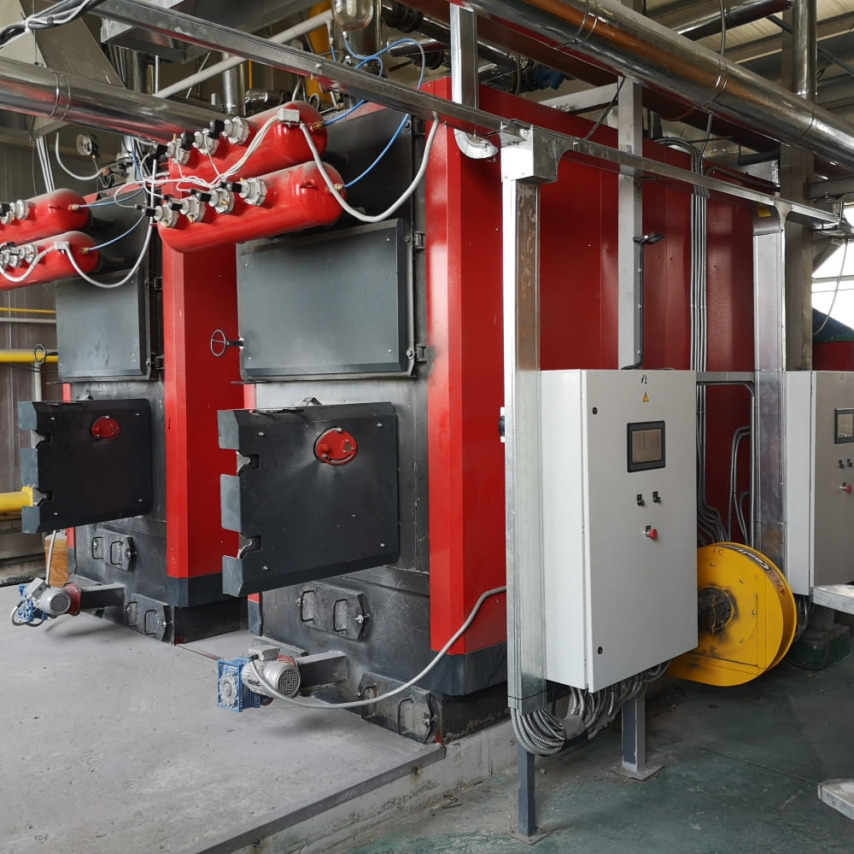
Once the engineering solutions have been approved, the main and auxiliary equipment is sourced, the module frame is fabricated, and the piping, valves, electrical circuits, sensors and control systems are installed. The internal layout must account for transportation requirements and provide suitable access for inspection, maintenance and repair.
Factory acceptance testing (FAT) is carried out before dispatch. Depending on the agreed programme, it may cover completeness, identification and labelling, assembly quality, electrical circuits, basic control algorithms and maintenance access. The exact scope of FAT is defined by the test programme and contract.
A high degree of factory readiness confirms the condition of the module at the manufacturing facility, but it does not mean that the entire site is ready for operation. Installation, external utility connections, site testing and commissioning still have to be completed after delivery.
Stage 4: Site and External Utility Preparation
While the modules are being manufactured, the site team prepares the foundation, access route, unloading and crane operating area, earthing system, chimney or chimney base, and connection points for heat, water, electricity, fuel and drainage. The exact scope is determined by the design and the agreed connection boundaries.
Site readiness must be coordinated with the delivery date. If the foundation has not been accepted, access is obstructed or an external utility has not been extended to the agreed connection point, the modules cannot be installed and connected in accordance with the programme.
Unclear boundaries often result in additional work, including rerouting services, installing new adaptor assemblies, remobilising lifting equipment or revising the programme. Connection points should therefore be shown on the drawings and recorded in the responsibility matrix.
Stage 5: Delivery, Installation and Connection
Boiler plant installation includes receiving the shipment, positioning the modules, completing inter-module connections, installing separately transported items and connecting the plant to external utilities. Transport and unloading requirements should be agreed in advance and checked against the applicable delivery and payment terms.
A period of 1–3 days may apply only to positioning factory-assembled modules on a fully prepared site. It does not cover the complete construction cycle, utility connections, commissioning or formal acceptance of the facility for operation.
Incoming inspection is carried out on site, followed by checks of the piping and electrical systems. Concealed-work certificates and other project records are prepared where applicable. Start-up can proceed only after installation readiness has been confirmed and all required utilities and resources are available.
Stage 6: Commissioning, Testing and Handover
Commissioning begins with verification of system readiness, filling of the circuits and leak-tightness checks. The team then tests protective functions and interlocks, adjusts the burners or fuel-feeding system, configures the controls and pumps, and completes system balancing and integrated testing under an agreed programme.
The results are documented in test records and, where required, operating charts. The customer receives the agreed package of manuals, equipment passports, drawings, certificates and settings. Operating personnel are also trained to respond correctly during normal and emergency conditions.
Technical start-up of the equipment and formal acceptance of a completed facility for operation are not the same event. The required procedures depend on the type of construction, consequence class, location, fuel, equipment parameters and the regulatory requirements applicable to the specific project.
How to Define the Programme, Price and Responsibilities
The project programme should cover the submission of initial data, engineering approvals, payments, technical connection conditions, key equipment deliveries, site readiness, installation and testing. Its feasibility may be compared with completed projects of a similar scale, but schedules from other facilities should not be transferred mechanically.
The price is determined by the equipment specification, scope of work and clearly documented exclusions. A separate change-control procedure should define how additional requirements are approved and how their effect on the price and programme is assessed.
Before signing the contract, the customer should ask the contractor:
- where the supply boundaries and connection points are located;
- who is responsible for obtaining the initial data and technical connection conditions;
- which inspections and tests will be performed at the factory and on site;
- what is included in the handover documentation and operator training;
- which events may affect the price or programme and how changes will be approved.
Therefore, reliable project delivery begins with three elements: verified initial data, engineering calculations and a transparent responsibility matrix. Together, they align the equipment configuration, site readiness, installation, testing and documentation into one controlled process.
A turnkey block-modular boiler plant receives its final parameters only after being engineered for a specific facility. To define the project boundaries, preliminary configuration and staged delivery programme, contact the TeploFormat Engineering team and provide the available initial data.
A PHP Error was encountered
Severity: Warning
Message: Array to string conversion
Filename: views/details_tpl.php
Line Number: 114
Backtrace:
File: /home/lg353578/tfe.com.ua/www/inner/application/modules/news/views/details_tpl.php
Line: 114
Function: _exception_handler
File: /home/lg353578/tfe.com.ua/www/inner/application/third_party/MX/Loader.php
Line: 322
Function: include
File: /home/lg353578/tfe.com.ua/www/inner/application/third_party/MX/Loader.php
Line: 270
Function: _ci_load
File: /home/lg353578/tfe.com.ua/www/inner/application/modules/news/controllers/news.php
Line: 349
Function: view
File: /home/lg353578/tfe.com.ua/www/inner/application/third_party/MX/Modules.php
Line: 71
Function: details
File: /home/lg353578/tfe.com.ua/www/inner/application/controllers/init.php
Line: 144
Function: run
File: /home/lg353578/tfe.com.ua/www/index.php
Line: 339
Function: require_once